Squash Racket Weight Guide: What Weight Should You Use?
1 October 2026
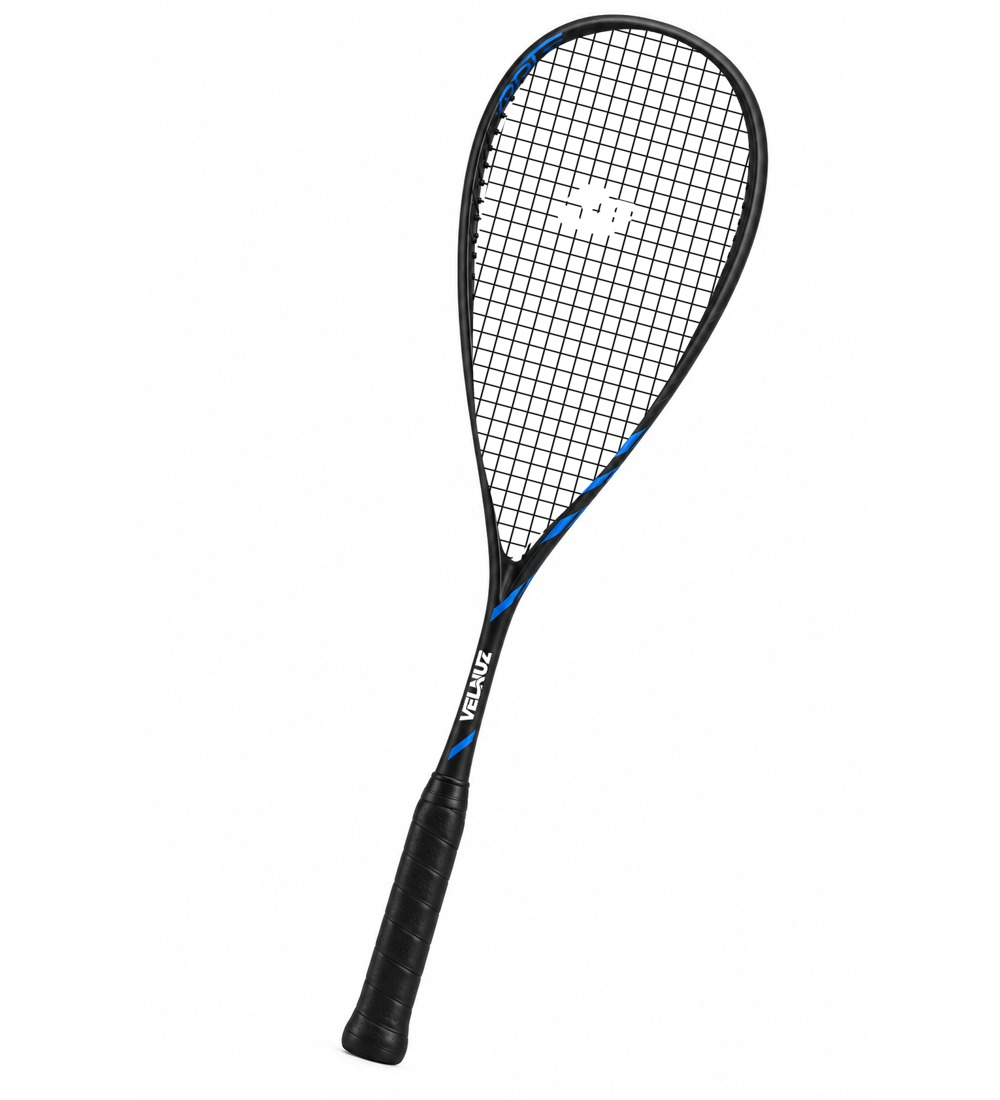
Most modern squash rackets weigh between about 110 g and 140 g, with a few heavier frames up to about 145 g. Ten or fifteen grams sounds small, but in a fast rally it changes how quickly the racket comes back to the ready position and how much the frame helps you hit to the back of the court. Weight is only half the story, though: balance decides how that weight feels in your hand.
Typical squash racket weight ranges
Retailer and coaching guides group squash rackets in three broad bands:
Lightweight, about 110–125 g: quick to swing and quick to recover, popular with experienced attacking players who generate their own pace.
Midweight, about 125–135 g: the all-round band that most club players use, balancing speed and stability.
Heavier, about 135–145 g and above: more mass behind the ball, which helps with depth and a solid feel on volleys and drives.
Check whether a listed weight is strung or unstrung: strings, the grip and an overgrip all add weight, so the racket in your hand can be heavier than the number on the frame.
Balance matters as much as weight
Balance describes where the weight sits. A head-light racket carries more weight towards the handle and feels faster through the swing; a head-heavy racket carries more weight in the head and feels more powerful; an even balance sits in between. As one buying guide puts it, a head-light 135 g racket can feel faster than a head-heavy 125 g one. Always compare weight and balance together.
What should a beginner choose?
Advice differs. England Squash recommends that beginners start with a lighter racket, often under 130 g, and focus on comfort and feel. Other guides suggest a slightly heavier, more forgiving frame for players who struggle to reach the back wall. Both agree on the practical point: choose a racket you can swing comfortably for a full session without your wrist or forearm tiring, and avoid the heaviest frames until your technique is settled.
Club players and advanced players
Many club players settle in the 125–135 g band with an even or head-light balance. Advanced players often move to lighter, head-light frames for speed at the front of the court, or keep a little more weight for control in length-based games. There is no single right answer — it depends on how you play.
How to test a racket before you buy
Hit volleys and drives at match pace, not just gentle rallies. Notice how quickly the racket returns to the ready position after a hard shot. Play a few boasts and drops to judge control. Check the grip size and add an overgrip if the handle feels too thin or slippery. If you can, compare two rackets of similar weight but different balance.
Quick checklist
Beginner: comfortable weight, often under 130 g, forgiving head. Club player: about 125–135 g, even or head-light balance. Advanced: lighter head-light frames for speed, or a little more weight for control. Everyone: test at match pace and judge weight and balance together.
Read our guide on how to choose a squash racket for head shape and grip, and browse VELNUZ squash rackets in the store.
Sources
England Squash — Best beginner squash racket: https://playsquash.org/how-tos/best-beginner-squash-racket/ My Squash — Ideal squash racket weight: https://my-squash.com/en/blogs/buying-guides/ideal-squash-racket-weight-beginner-intermediate-pro-guide